The man who bet on Africa's farmers

The story of Mahesh Patel

as told in Abundance: Growing Africa into a middle-income economy

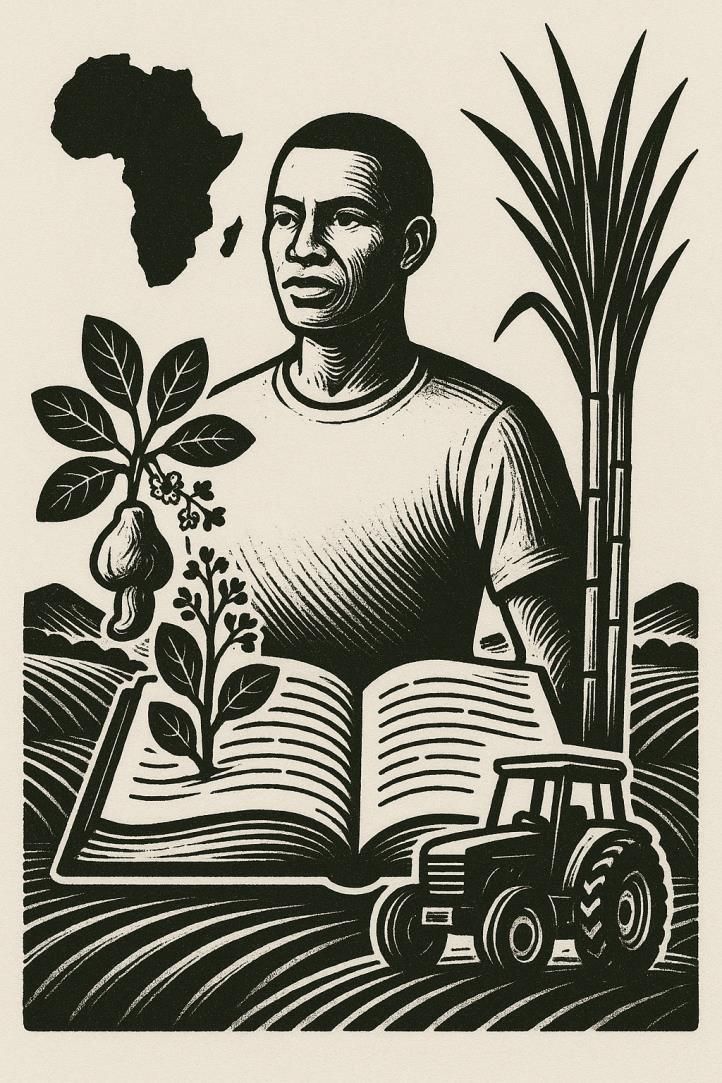
Born in Nairobi in 1955, the son of a grocer who named his shop Bridge Traders, he spent more than four decades building a bridge of his own, between Africa's smallholder farmers and prosperity.

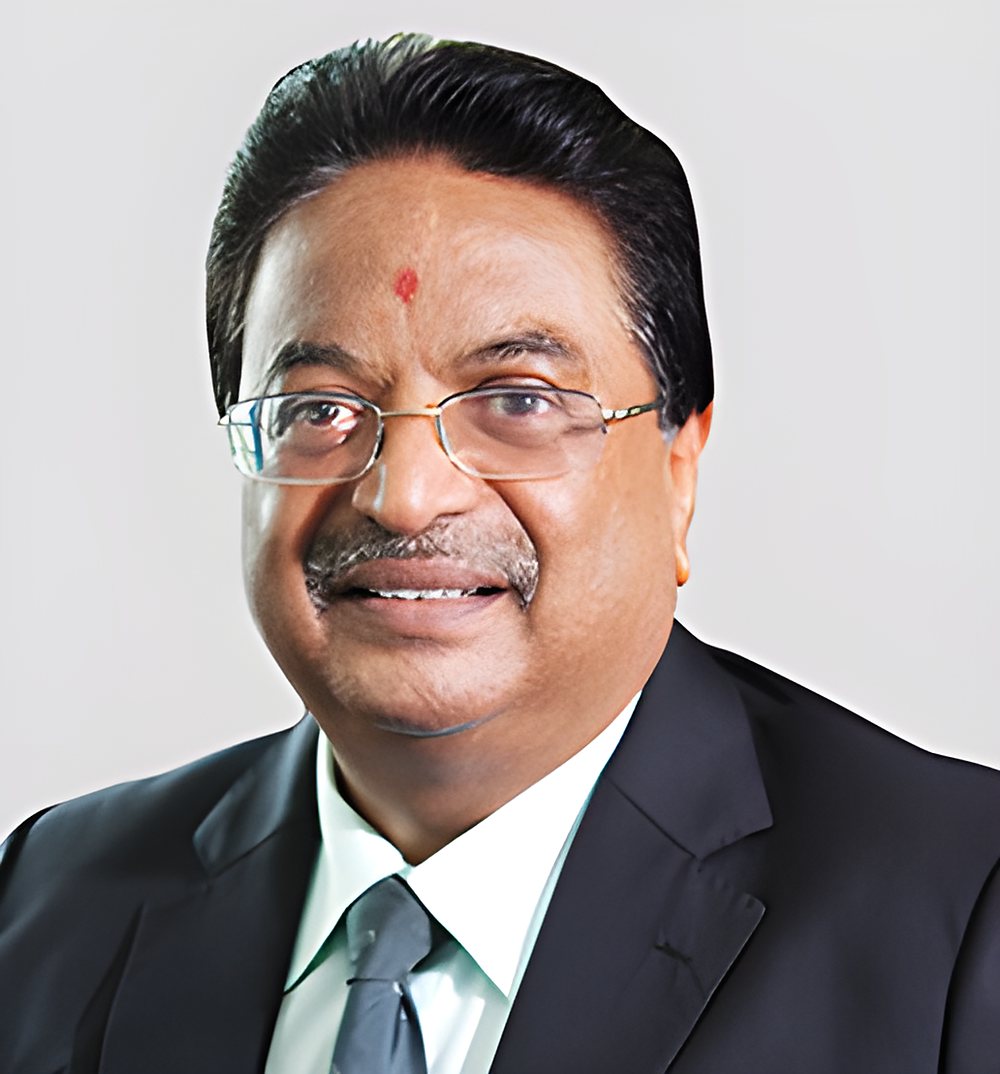
  • Portrait of Mahesh Patel
    1955 · Born in AfricaA grocer's son from Nairobi who kept his word when everything was taken.
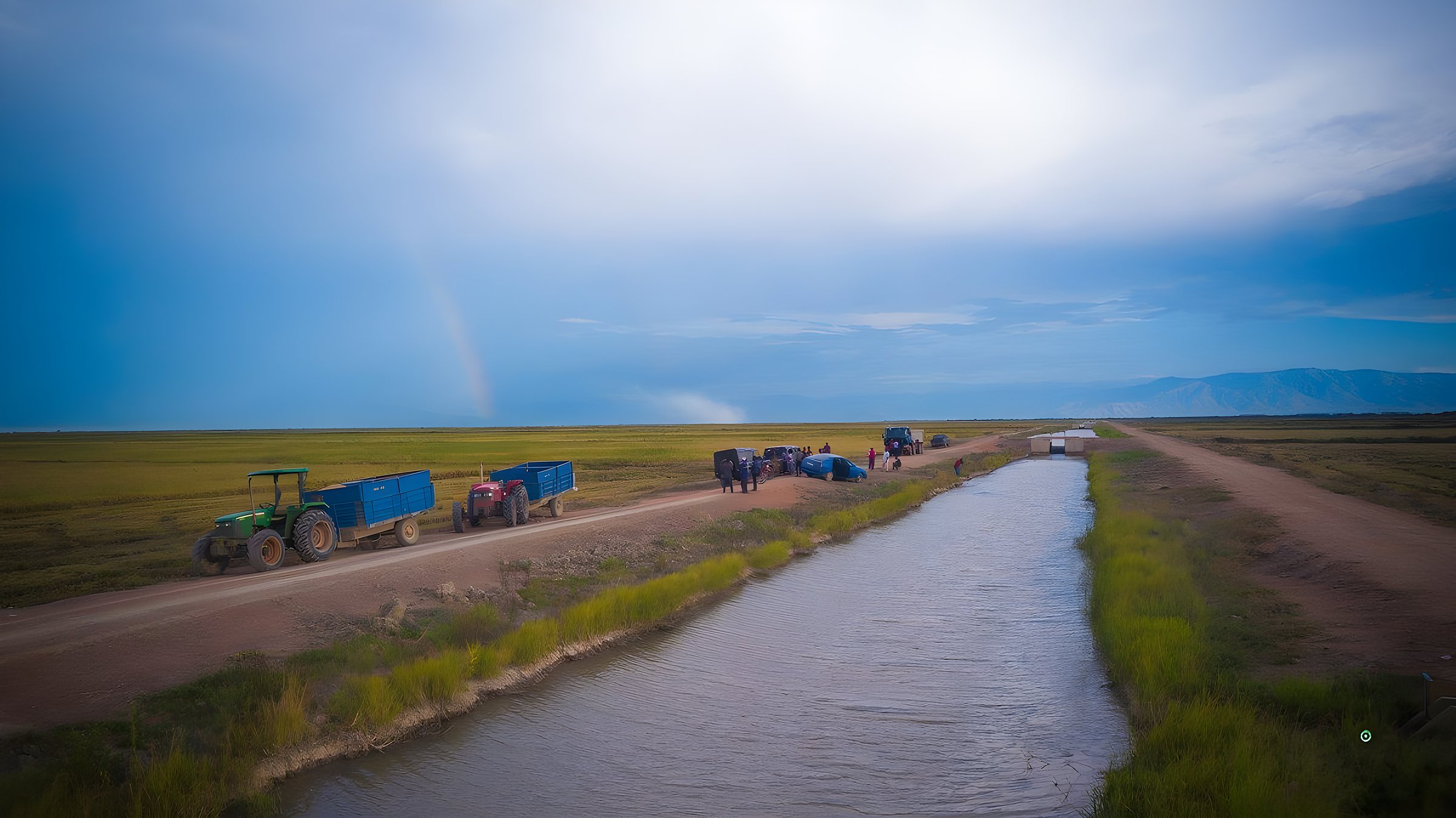
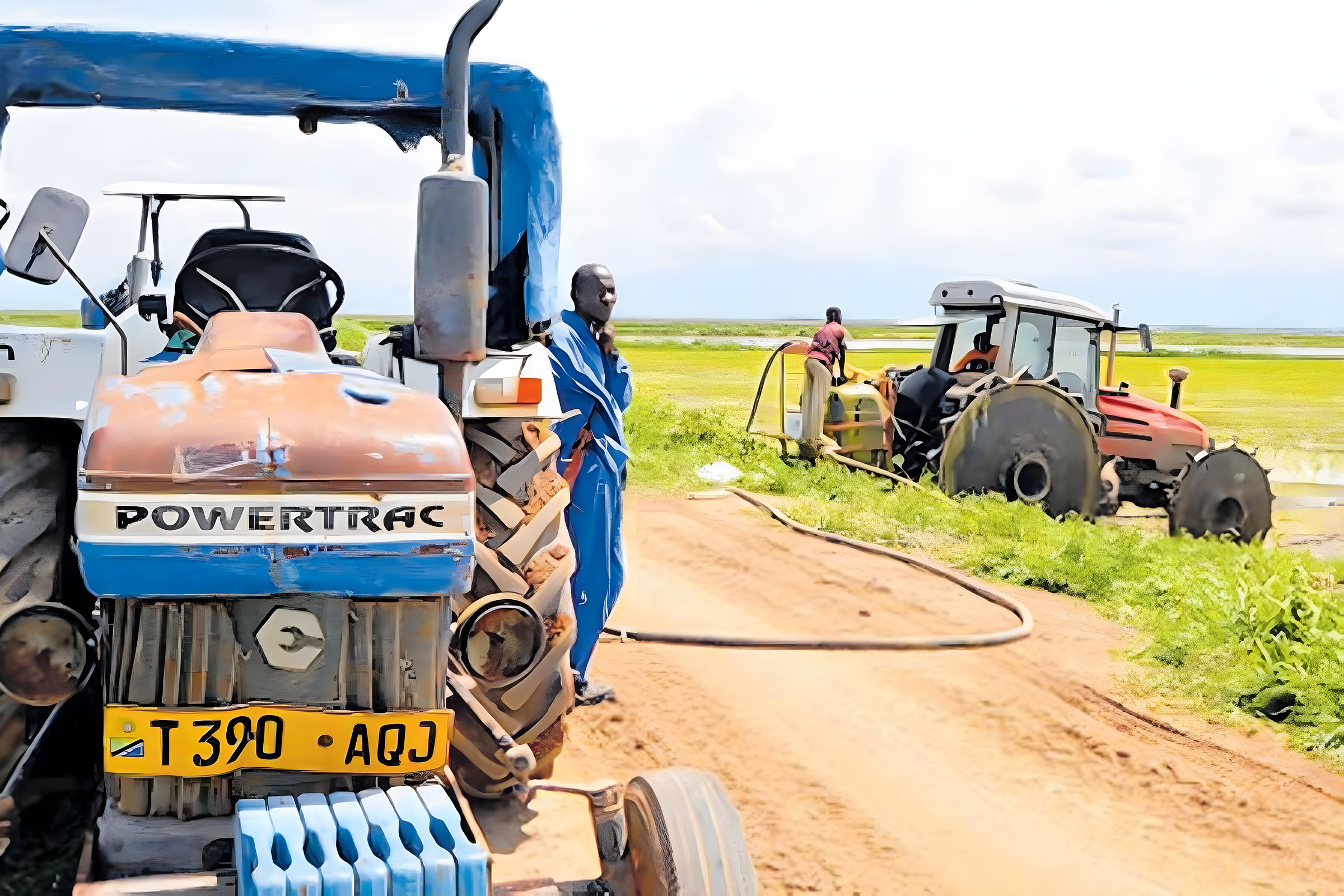
  • An irrigation canal through rice fields at Kapunga, with tractors and farmers at the roadside
    2006 · KapungaA ruined state farm in Tanzania, and the smallholders who made it bloom.
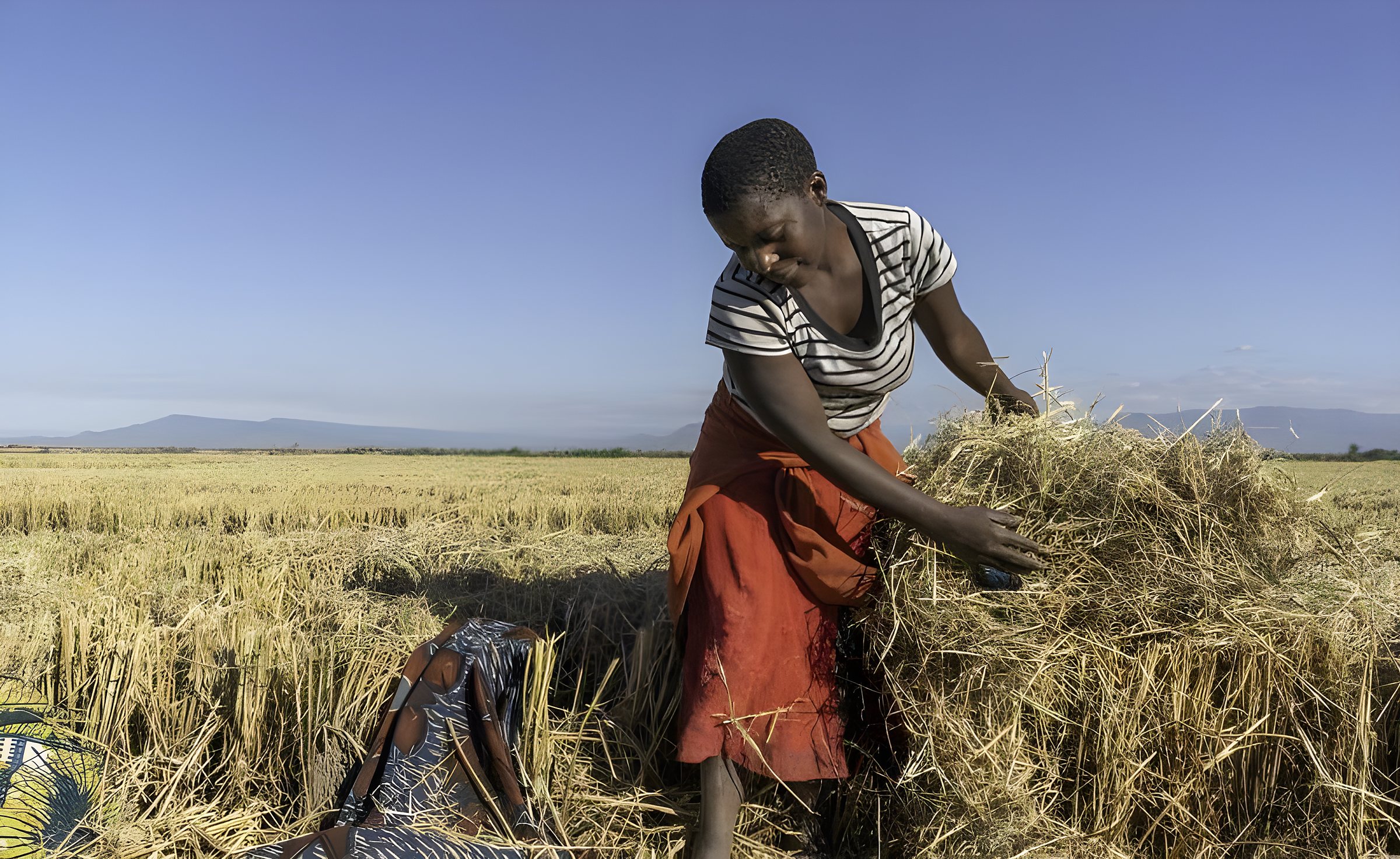
  • A woman farmer gathers bundles of rice straw after the harvest
    2050 · The visionAgriculture as the engine that lifts Africa to middle income.
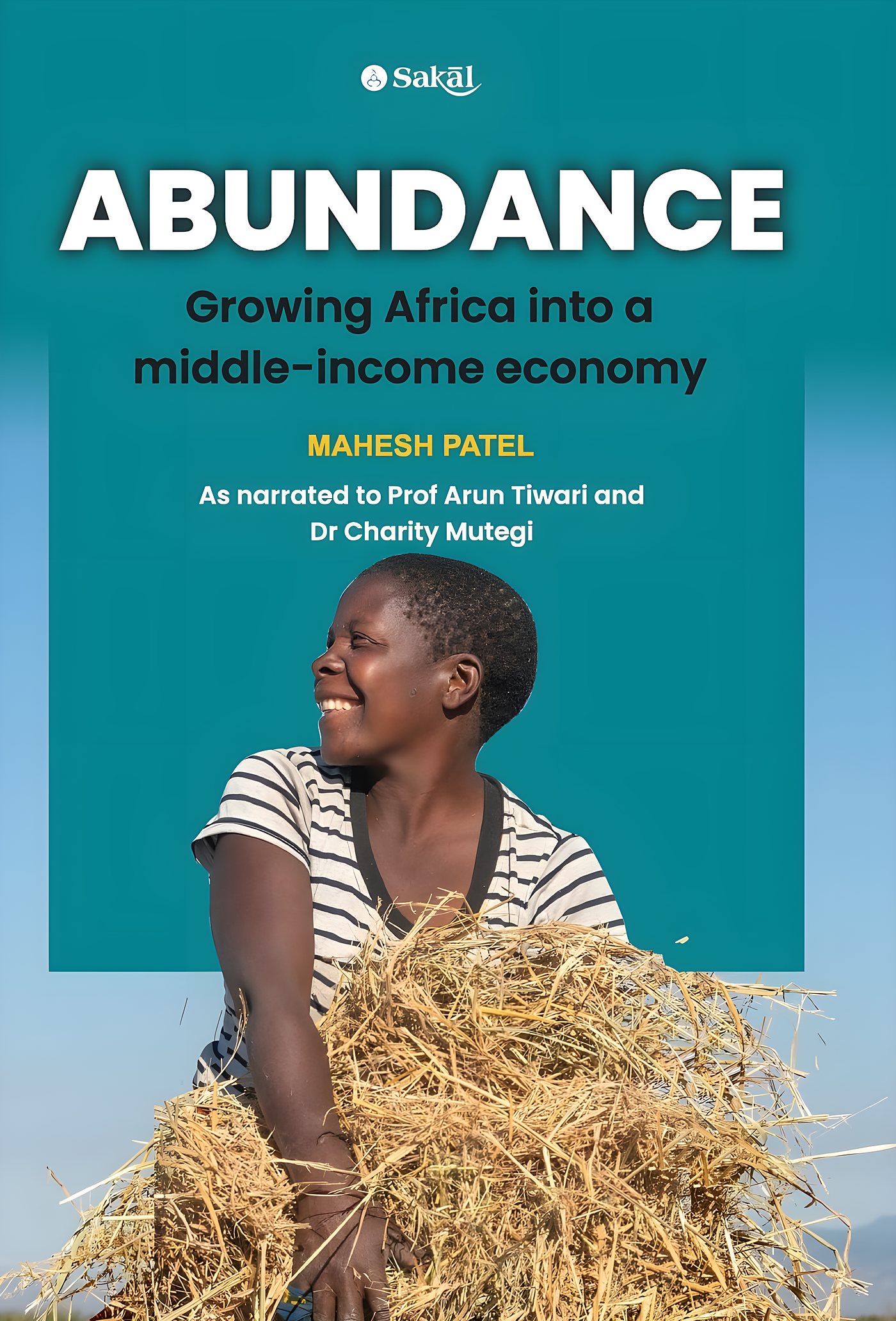
  • Cover of Abundance
    The bookA memoir and a manifesto, as narrated by Mahesh Patel.
  • BornNairobi, Kenya, 1955
  • FoundedExport Trading Group, 1983
  • Proved it atKapunga, Tanzania
  • Told inAbundance, by Prof. Arun Tiwari and Dr Charity Mutegi
PrologueJuly 2016Afreximbank annual meeting, the Seychelles

That evening

Nearly 500 delegates had come to the Seychelles for the annual meeting of the African Export-Import Bank. The debate that animated the meeting was one that has long shaped Africa's future: should the continent industrialise, or should agriculture be its engine of growth?

That evening, as the sun set over the beach, Mahesh Patel turned to Professor Arun Tiwari, who was sitting beside him.

“There is no sectoral silver bullet for Africa's challenges. What we need is a paradigm shift—agriculture must move from simply producing food to becoming an engine of prosperity.”

Mahesh Patel, Preface to Abundance

Later, Dr Benedict Oramah, the bank's president, joined them. Being close to agriculture, he said, makes one realise that life's joys come mostly from relationships, friendships and working together, not from consuming and possessing things.

That was the evening the book was conceived. It would tell the story of a life spent in Africa's fields and markets, and of the farmers who, against all odds, still grow 80 per cent of the continent's food.
His life in nine moments

From Park Road to the rice fields

Keep scrolling to travel through eight decades, from a ship docking in Mombasa to a vision for 2050.

  1. 1946

    “a bridge between the Indians and the Africans”

    Why Raojibhai named his shop Bridge Traders

    Mombasa, Kenya

    A ship from India

    Raojibhai Patel sails to Mombasa for the National Bank of India. By 1950 he has made Kenya home, with a shop called Bridge Traders.

  2. 1955

    “It was Africa that gave him a home, a livelihood, and ultimately, a purpose.”

    Abundance, Introduction

    Nairobi

    Born in Africa

    Mahesh Patel is born on 4 April, the second of four children. He grows up in Ngara and helps in his father's shop.

  3. 1978

    “A good businessman must know his business like a hunter knows his forest.”

    David Musselwhite, owner of EFC

    Nairobi and beyond

    Learning the forest

    He joins Export Finance Company and starts travelling: Tanzania, Uganda, Congo, Sudan, Somalia, Ethiopia.

  4. 1982

    “Thugs and crooks cannot run this country. Order will return.”

    Raojibhai Patel, to his sons

    Nairobi

    The day everything was taken

    During an attempted coup, his father's shop is looted and gutted. He keeps his word and buys EFC anyway.

  5. 1983

    “I could reposition my own company, and that is what I did.”

    Mahesh Patel

    East Africa

    ETG is born

    EFC becomes Export Trading Group, selling East Africa's own harvests to the food-aid agencies that once shipped food in from Europe.

  6. 1984

    “I am still haunted by the sights that accosted me.”

    Mahesh Patel, on the road to Korem

    Korem, Ethiopia

    A famine he never forgot

    What he sees on the road from Addis Ababa convinces him that Africa's land must feed its people first.

  7. 2006

    “I was fighting for, or rather, defending a bigger dream.”

    Mahesh Patel, on Kapunga

    Kapunga, Tanzania

    The farm nobody trusted

    He takes over a ruined state rice farm, returns 2,350 hectares to villagers and builds an outgrower scheme.

  8. 2018

    “Korosho ni maisha. Cashew is life.”

    Mwangi Kiunjuri, Kenya's agriculture minister

    Kilifi, Kenya

    Cashew is life

    Korosho Ni Maisha begins. By 2025, more than a million cashew seedlings are in the hands of 30,000 families.

  9. 2025

    “Abundance is not a gift to be awaited, but a path to be walked together.”

    Abundance, Chapter 13

    Dar es Salaam

    Abundance

    He signs the preface of the book that tells it all, and lays out a vision for Africa in 2050.

Rice yield at Kapunga

The same hectare, nearly ten times the harvest

0.8t/ha

Before KRPL: about 800 kilograms of rice per hectare on a neglected farm.

100 kg of riceOne hectare, 8 tonnes shown
2,350 haof land returned to the villagers around the scheme
~350smallholder outgrowers by 2025, up from fewer than 50 at the start

Sources: Abundance, Chapter 7 (800 kg baseline, outgrowers by 2025); KRPL case study (2,350 ha; yield of 7.91 t/ha in 2024-25). Read the full Kapunga chapter.

The evidence, in full

Kapunga Rice Project: the detailed case study

History, technology, the outgrower scheme, yield data, community impact, and the voices of farmers, bankers, teachers and doctors.

Cover of Abundance: Growing Africa into a middle-income economy

By Prof. Arun Tiwari and Dr Charity Mutegi, as narrated by Mahesh Patel. Sakal Publications.

The book

The book that tells the whole story

Part memoir, part manifesto. Abundance follows Mahesh Patel's journey through African agriculture and turns it into a plan for 2050.

Part I

Why do Africa's farmers remain poor on productive land?

The structural challenge and the scale of Africa's agricultural potential: land, water and a young workforce, held back by a fragmented system around the farmer.

  • Subsistence
  • Fragmentation
  • Potential