Home / Chapter 2

Chapter 2 of 5 · 2004–2025

Kapunga: the farm nobody trusted

In the rice plains of southern Tanzania, Mahesh Patel bought a ruined state farm and a great deal of suspicion. Twenty years later, its smallholders grow nearly ten times as much rice per hectare.

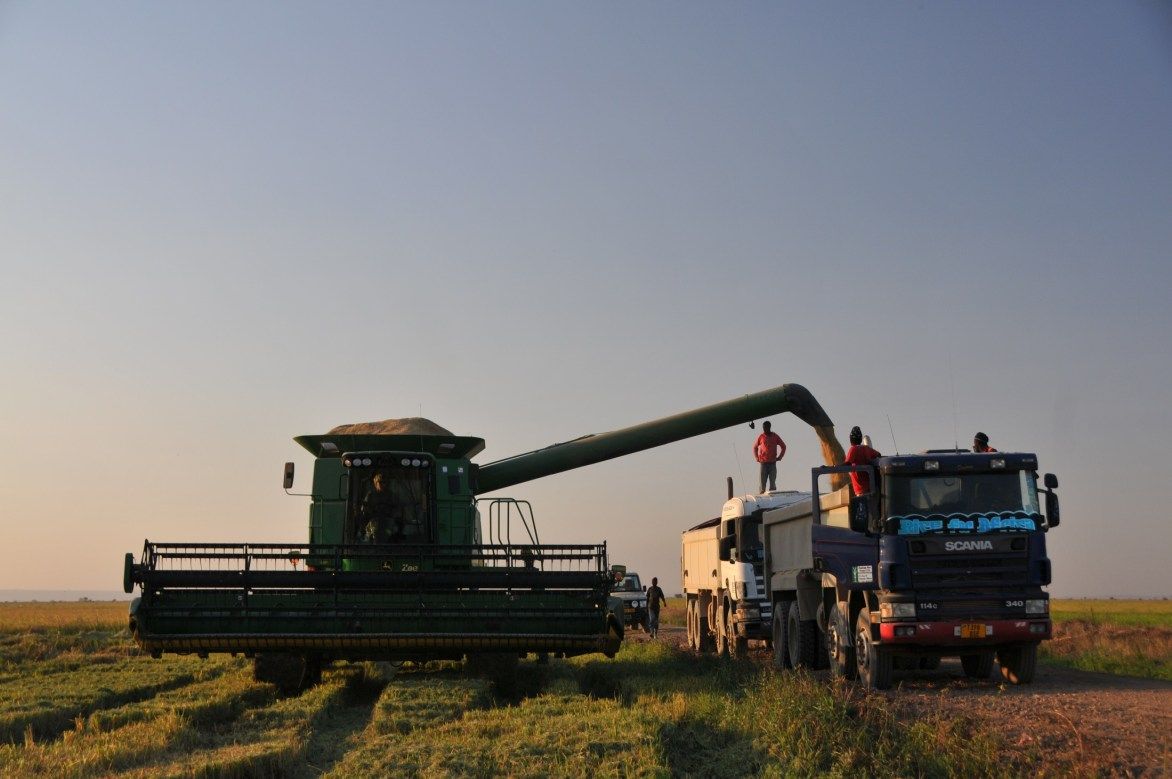
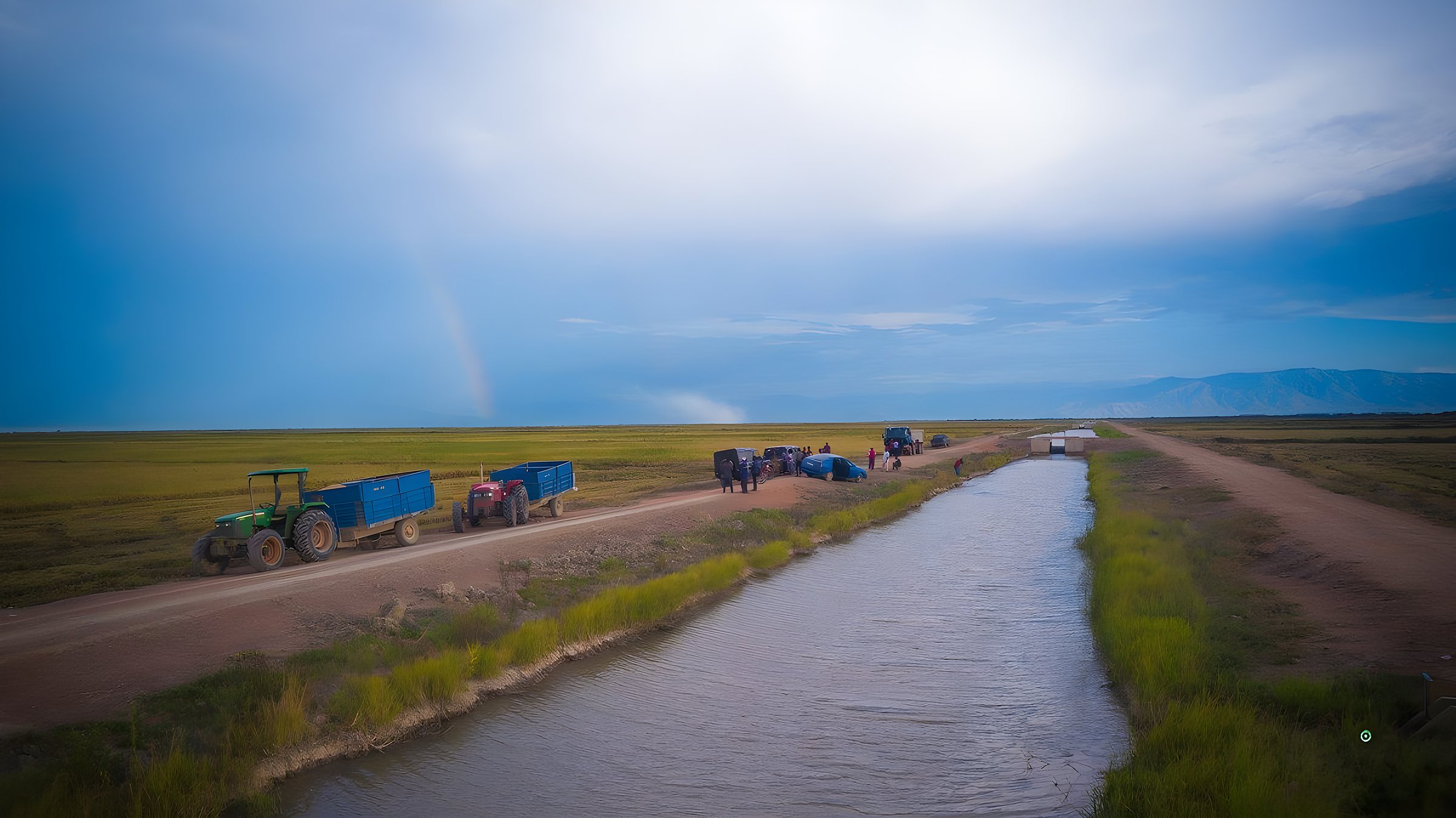
An irrigation canal runs beside a dirt road through wide rice fields, with tractors, trailers and farmers at the roadside
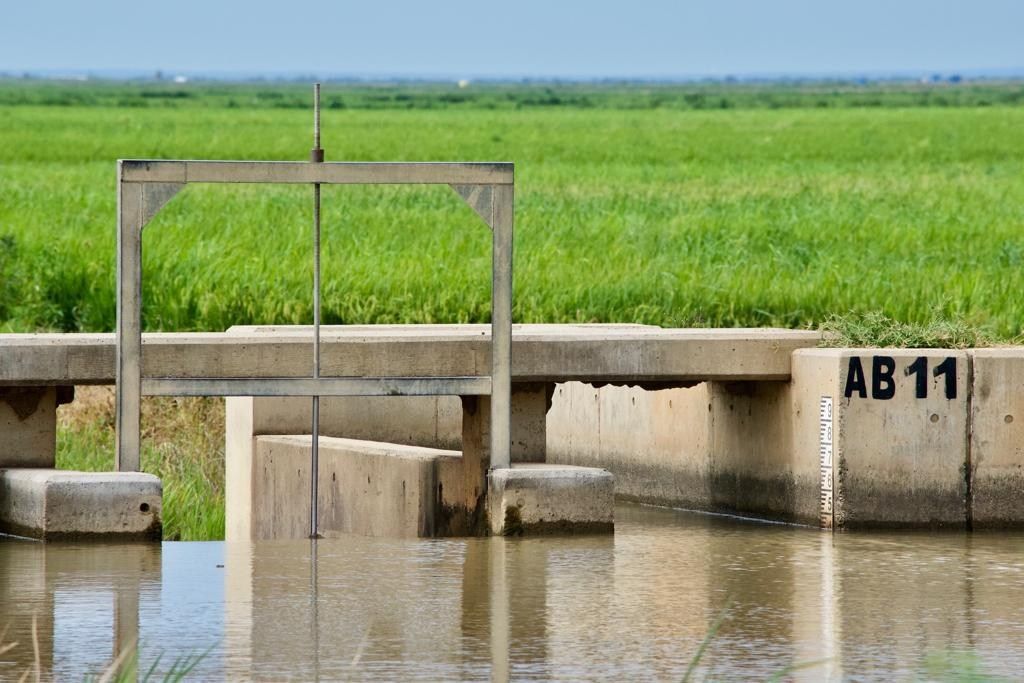
The main irrigation canal at Kapunga at harvest time.
1977–2004Usangu Plains, Mbeya region

A farm built by the state, left to the weeds

In 1977 Tanzania's National Agriculture and Food Corporation (NAFCO) set up Mbarali Rice Farm on the Usangu Plains, in the upper catchment of the Great Ruaha River. Kapunga was one of its three estates. Its irrigation works, including a weir on the Ruaha and a 33-kilometre flood embankment, were built between 1988 and 1992, a year ahead of schedule.

In 1996 NAFCO collapsed. Kapunga went to the Presidential Parastatal Sector Reform Commission for sale, and the local farmers protested that nobody had consulted them. In July 2004 the farm was put up for sale: 7,850 hectares, of which 3,000 were developed for farming. The undeveloped land included smallholders' fields and part of Kapunga village itself. Mahesh Patel's Kapunga Rice Project Limited (KRPL) won the deal, and the purchase was completed in 2006.

What KRPL took over was barely a farm. Weeds covered the land and animals wandered across it. The irrigation did not work, the rice mill was in ruins, and there was no electricity, no water and no heavy machinery. A hectare produced about 800 kilograms of rice.
2006Kapunga village

“The heavy burden of mistrust and defiance”

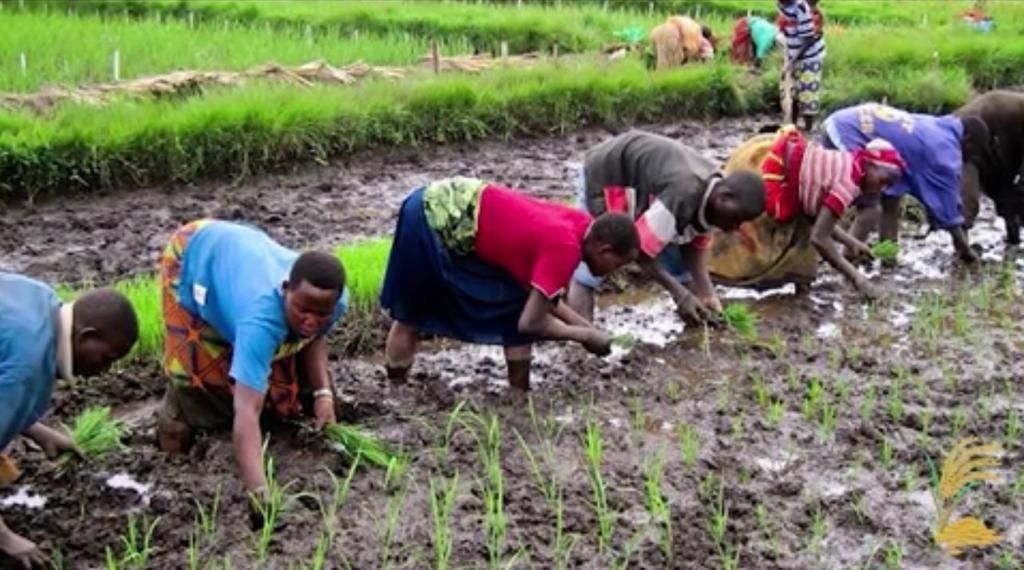
KRPL had been told the land disputes were settled. They were not. Villagers had long farmed land they neither owned nor leased, with free irrigation water, and they were not going to give it up quietly. When they were asked to leave, they demanded compensation. When some huts accidentally caught fire, KRPL was accused of arson.

“My passion for transforming the condition of smallholders led me to consider them as natural partners rather than adversaries. Was it an error of judgment?”

Mahesh Patel, Abundance, Chapter 7

He paid more on top of the deal value. He returned 2,350 hectares to the villagers to farm for themselves. He went to Kapunga regularly and talked directly with the smallholder leaders. He received threats to his life and was even attacked, but he did not give up. By then Kapunga was small beside his business empire. “However,” he writes, “I was fighting for, or rather, defending a bigger dream.”

Stage by stage

Watch the field change

Scroll through six stages, from a neglected farm to a growing rural economy, with the question each one leaves for anyone hoping to repeat it.

Nucleus farmOutgrowersSchoolMill
Before 2006Stage 1 of 6
  1. Before 2006

    A neglected farm

    Any plan had to start from a deficit of trust as large as the deficit of infrastructure.

    • About 0.7 tonnes of rice per hectare in 2006-07
    • Weeds, broken irrigation and a ruined mill
    • No electricity, water or heavy machinery
    • Villagers resisting privatisation
    The question for others

    Where does transformation begin when farmers have every reason to doubt it?

  2. From 2006

    Water returns, land is settled

    Giving land back showed the community that the scheme's success would not come at its expense.

    • 2,350 hectares returned to villagers
    • Canals rehabilitated; weir gates regulate the water
    • Water kept available for nearby villages
    The question for others

    How should land claims be settled before any productivity programme starts?

  3. Forward contracts

    A price before planting

    A known buyer is what makes it rational for a smallholder to invest in seed, inputs and labour.

    • A carefully selected first group of outgrowers
    • Forward contracts: KRPL commits to buy the paddy
    • Weighing scales and transport to the mill
    The question for others

    Can a market guarantee do more for adoption than a subsidy?

  4. Nucleus and outgrowers

    One integrated system

    The scale and services of a commercial farm, joined to the ownership and effort of smallholders.

    • 590 plots of six hectares each
    • Seed, inputs, agronomists and machinery provided together
    • Inputs settled against the harvest
    The question for others

    Which parts of the nucleus role could cooperatives, government or banks play elsewhere?

  5. 0.7 to 7.91 t/ha

    The harvest

    The same land, worked by the same kind of farmers, produced many times as much once the services around them were connected.

    • 7.91 tonnes per hectare in 2024-25
    • Reported daily income up from USD 1 to USD 15
    • About 350 outgrowers by 2025, up from fewer than 50
    The question for others

    Which gains depend on irrigation, and which could travel to rain-fed crops?

  6. Beyond the farm

    A rural economy grows

    Prosperity that stays in the village is the real measure of success.

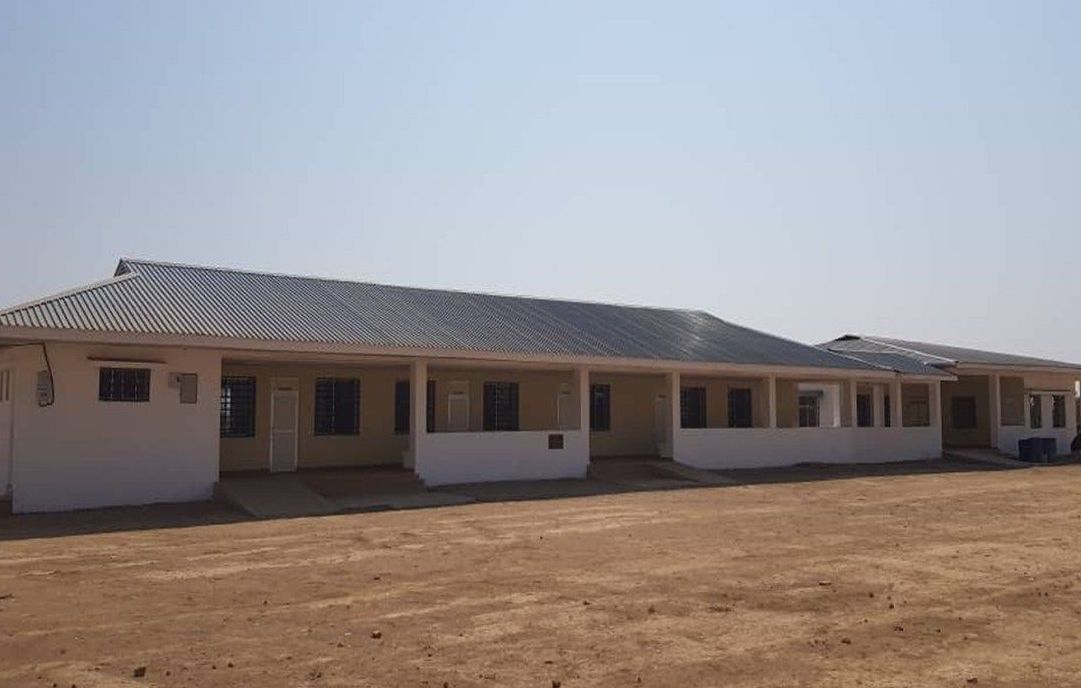
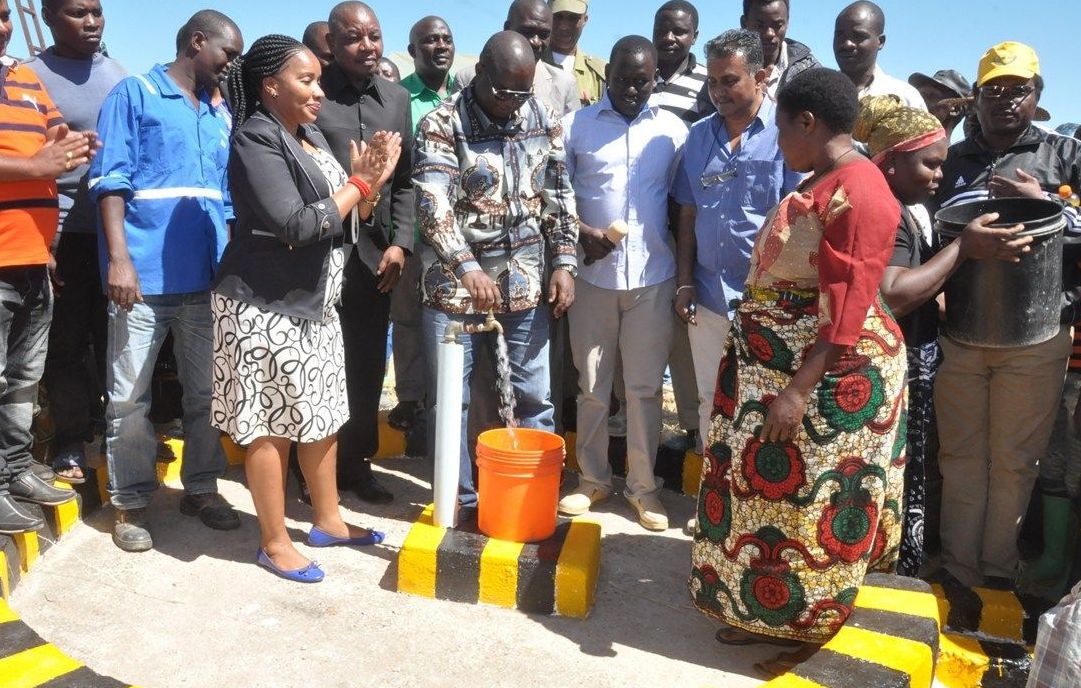
    • A hospital, a school, roads and a borewell
    • Shops, motels, mills and godowns opened by farmers
    • Bank loans for thousands of farmers
    • 76 women farmers, led by women farmer leaders
    The question for others

    What would it take to repeat this across countries, crops and institutions?

Not charity, architecture

One man, seven roles, the smallholder at the centre

Inspired by Edward de Bono's Six Thinking Hats, he took on every role the smallholder needed, all at once.

“It was not charity—it was architecture. The architecture of resilience.”

Mahesh Patel, Abundance, Chapter 7
  • Venture capitalist

    Developed an irrigated rice project that could be scaled across sub-Saharan Africa.

  • Angel investor

    Put in “patient equity” for value addition and post-harvest development.

  • Partner

    Offered farmers commercial debt and equity in their own farm operations.

  • Creditor

    Supplied inputs and services on a cost-share basis, settled against the harvest.

  • Insurer

    In 2005, when smallholder insurance was not even discussed, a farmer whose crop failed was still compensated for the effort.

  • Buyer

    Forward contracts: KRPL would buy the rice, so the farmer could afford to invest in it.

  • Philanthropist

    A hospital, a school, roads, a borewell and a police station for the community.

The outgrower scheme

How a smallholder farms at Kapunga

KRPL runs the nucleus: water, machinery, agronomists, a mill and a market. Independent outgrowers farm their own plots inside it.

590well-demarcated plots of six hectares each, on 3,500 irrigated hectares
USD 1,400participation fee per plot, which comes with 660 kg of seed
Nov–Jansowing and April–July harvest, on a planting schedule KRPL gives each outgrower
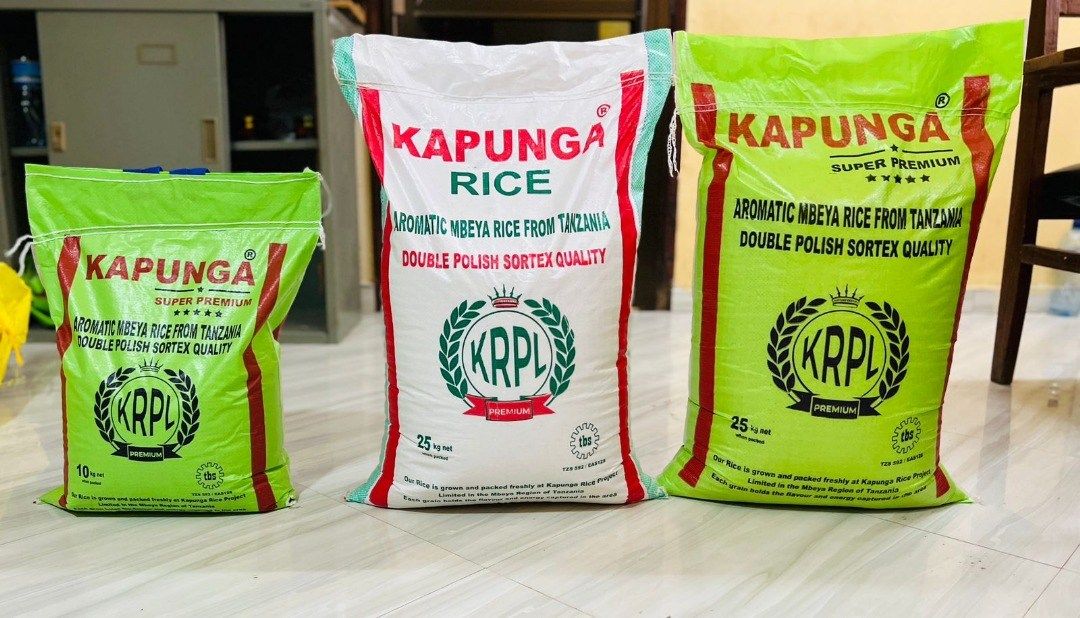
80 / 20per cent of Kapunga Rice sold at home and exported to neighbours such as Malawi, Kenya, Zambia and Uganda

From seed to sack

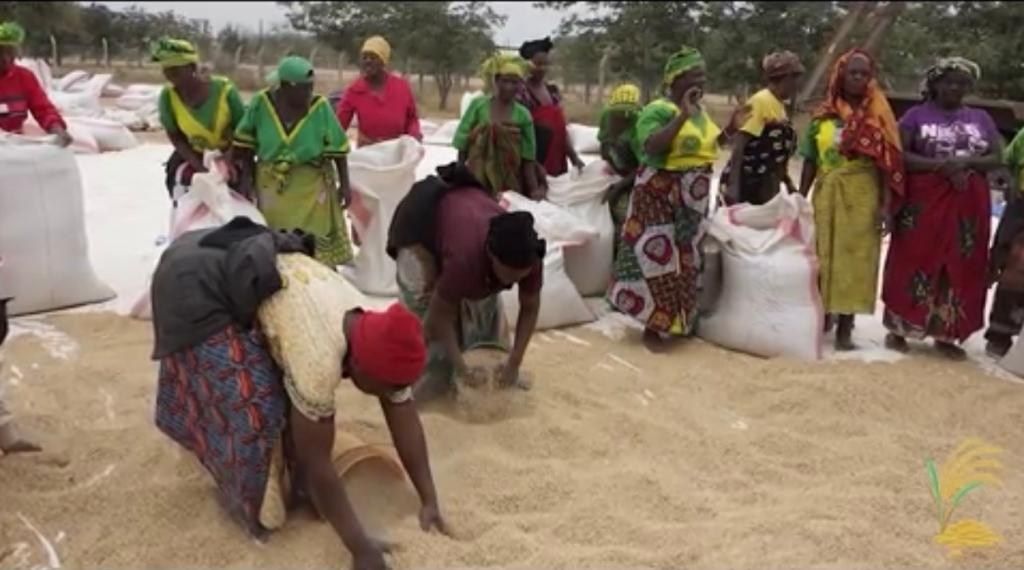
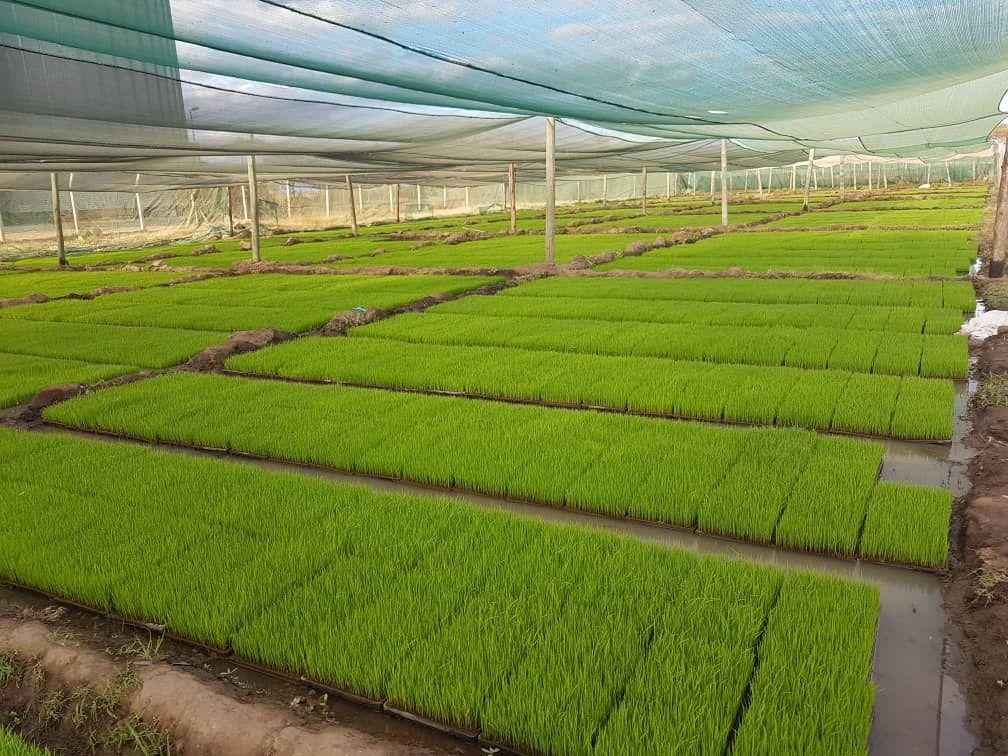
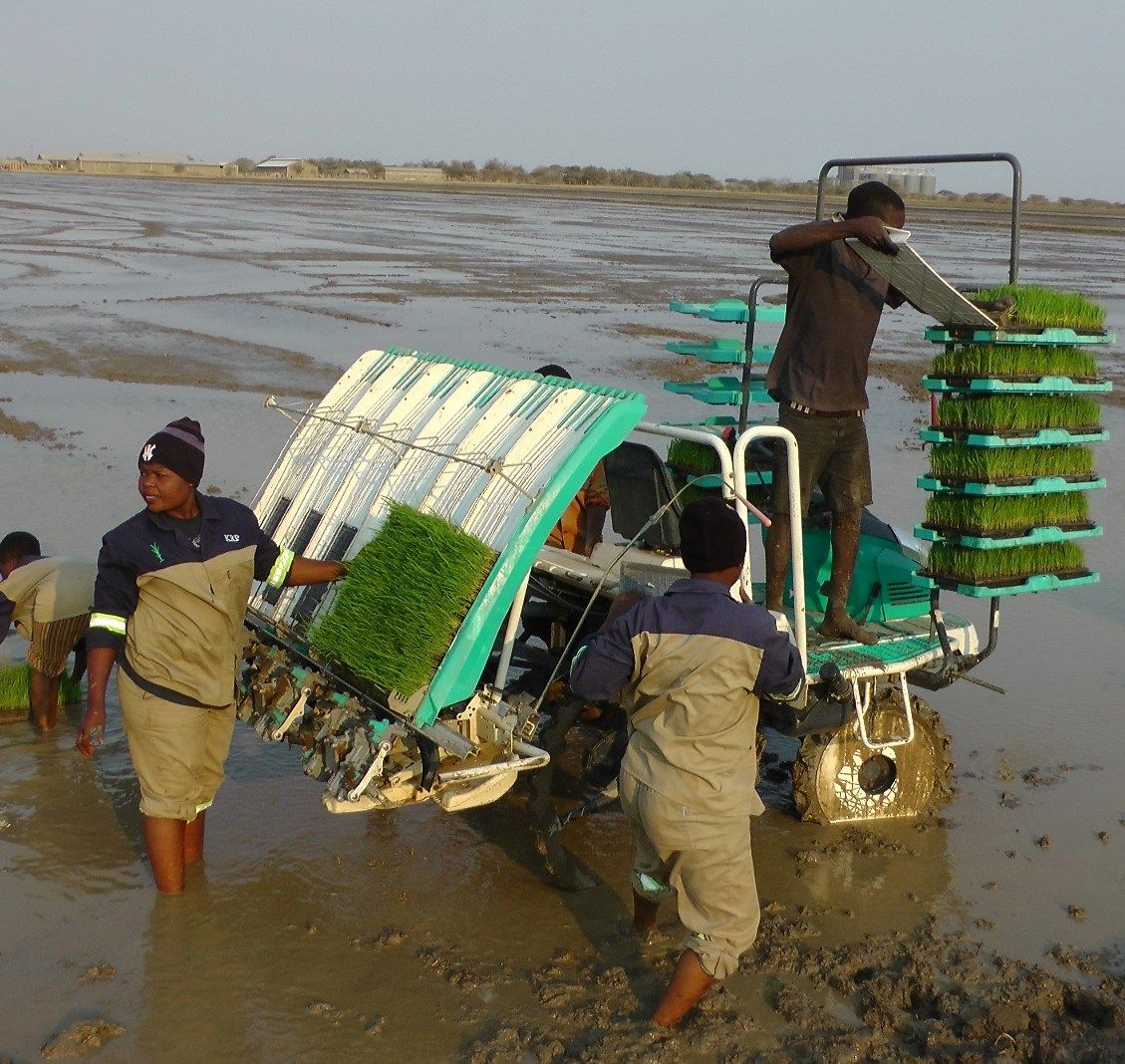
Agronomists set the quality of inputs for each stage of the season, and an execution team works alongside the farmers at every step, so nothing in good agricultural practice is skipped. Seedlings are raised for 25 days in trays and planted by machine. A digital push-notification system tells each farmer in advance when irrigation, fertiliser and spraying are due.

At harvest, KRPL buys back the paddy, providing weighing scales and transport to its mill. What the farmer earns is settled against the inputs they bought. Improved varieties such as Super Saro 5 came through a partnership with the Dakwa Agriculture Research Institute. In peak season the plots need almost 3,000 workers a day, and 76 women farmers are part of the scheme, supported by women farmer leaders.

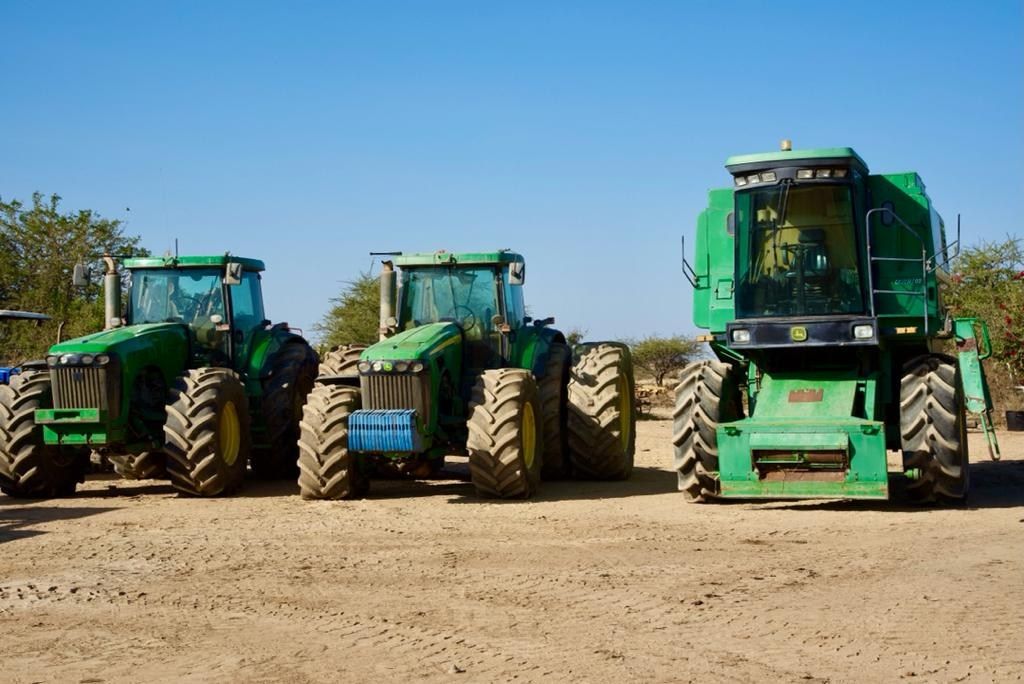
  • GPS-guided John Deere tractors

    Up to 18 hectares a day of precise levelling and ploughing.

  • Combine harvesters

    GPS-guided John Deere combines (18–24 ha a day), with Kubota harvesters (6–9 ha a day) for smaller plots.

  • Kubota transplanter

    6 hectares a day, with uniform spacing and far less manual labour.

  • Caterpillar excavator

    Lines 500–600 metres of irrigation canal a day to cut seepage.

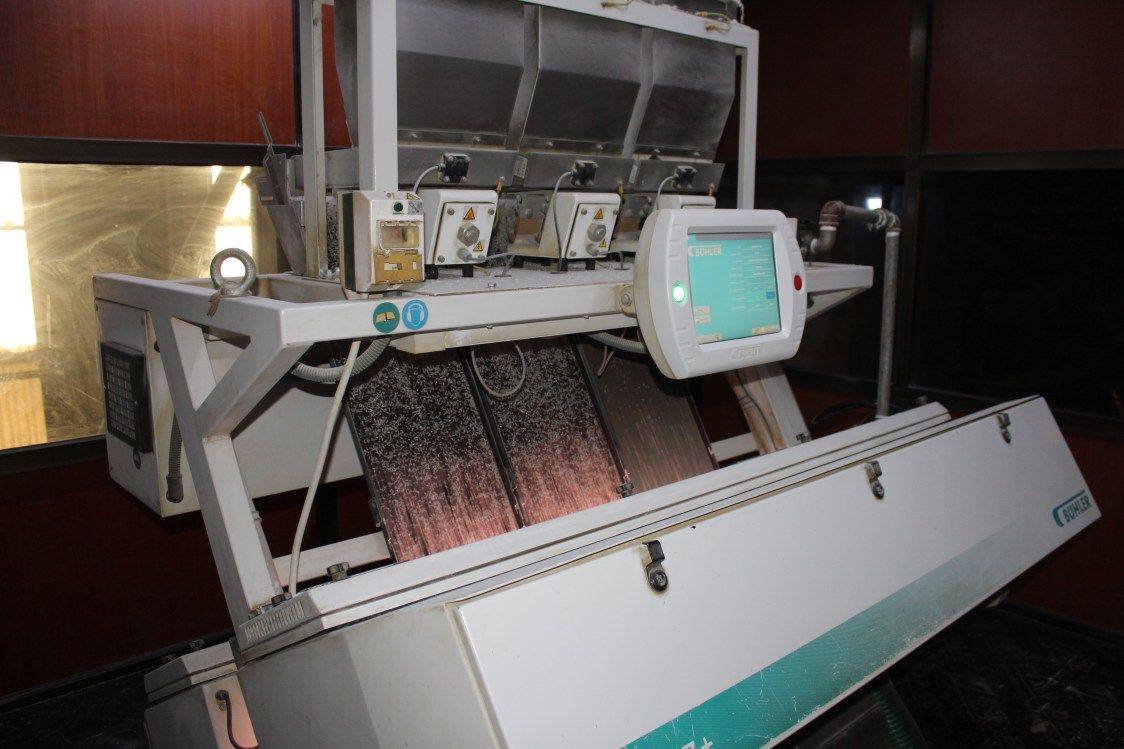
  • Bühler rice mill

    Eight silos and 40 tonnes a day, with packaging, for domestic and export markets.

The harvest

From 0.7 to 7.91 tonnes a hectare

The same land and the same farmers, once water, seed, machinery, agronomy, finance and a market arrived together. Hover over or focus on any bar for its value.

Average rice yield per hectare

Tonnes, by season · scale 0–8
  1. 0.7 t2006-07 · 0.7 t
  2. 2007-08 · 0.85 t
  3. 2008-09 · 1.15 t
  4. 2009-10 · 1.85 t
  5. 2010-11 · 2.76 t
  6. 2011-12 · 3.78 t
  7. 2012-13 · 4.85 t
  8. 2013-14 · 5.47 t
  9. 2014-15 · 5.64 t
  10. 2015-16 · 6.13 t
  11. 2016-17 · 6.19 t
  12. 2017-18 · 6.41 t
  13. 2018-19 · 6.82 t
  14. 2019-20 · 6.86 t
  15. 2020-21 · 7.2 t
  16. 2021-22 · 6.95 t
  17. 2022-23 · 7.03 t
  18. 2023-24 · 6.91 t
  19. 7.91 t2024-25 · 7.91 t
Show as a table
SeasonTonnes per hectare
2006-070.7 t
2007-080.85 t
2008-091.15 t
2009-101.85 t
2010-112.76 t
2011-123.78 t
2012-134.85 t
2013-145.47 t
2014-155.64 t
2015-166.13 t
2016-176.19 t
2017-186.41 t
2018-196.82 t
2019-206.86 t
2020-217.2 t
2021-226.95 t
2022-237.03 t
2023-246.91 t
2024-257.91 t

Average income per day

US dollars, by season · scale 0–16
  1. $12006-07 · $1
  2. 2007-08 · $1.3
  3. 2008-09 · $1.8
  4. 2009-10 · $3
  5. 2010-11 · $4.5
  6. 2011-12 · $6.2
  7. 2012-13 · $8
  8. 2013-14 · $9
  9. 2014-15 · $9.5
  10. 2015-16 · $10.5
  11. 2016-17 · $10.9
  12. 2017-18 · $11.6
  13. 2018-19 · $12
  14. 2019-20 · $12.7
  15. 2020-21 · $13.1
  16. 2021-22 · $13.5
  17. 2022-23 · $14
  18. 2023-24 · $14.6
  19. $152024-25 · $15
Show as a table
SeasonUs dollars per day
2006-07$1
2007-08$1.3
2008-09$1.8
2009-10$3
2010-11$4.5
2011-12$6.2
2012-13$8
2013-14$9
2014-15$9.5
2015-16$10.5
2016-17$10.9
2017-18$11.6
2018-19$12
2019-20$12.7
2020-21$13.1
2021-22$13.5
2022-23$14
2023-24$14.6
2024-25$15
~350outgrower farmers by 2025, up from fewer than 50 at the start
24,000 tof paddy harvested in 2019, about 16,000 tonnes of milled rice
100%repayment on outgrowers' loans, backed by an assured market and extension support
10,000+people in the surrounding community benefiting directly or indirectly

Africa's average rice yield is 2.4 t/ha. KRPL's farmers averaged 7.2 t/ha, against 3 in Thailand, 3.95 in the Philippines, 5.2 in Indonesia and 5.69 in Vietnam. Sources: KRPL case study (yield, income and comparison figures, seasons 2006-07 to 2024-25); Abundance, Chapter 7 (farmers, harvest, repayment, beneficiaries). Download the KRPL case study as Word (4 MB) or PDF (6.5 MB).

Voices from the ground

The farmers of Kapunga

The scheme's real results are not in a chart but in houses, school fees, tractors and rice mills. These are some of the farmers, in the words of the KRPL case study.

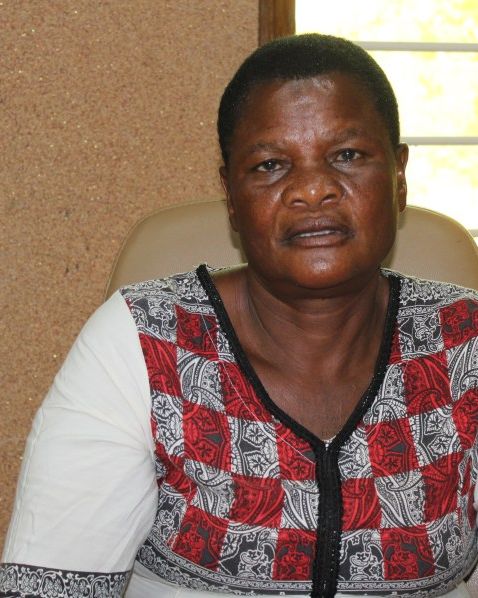
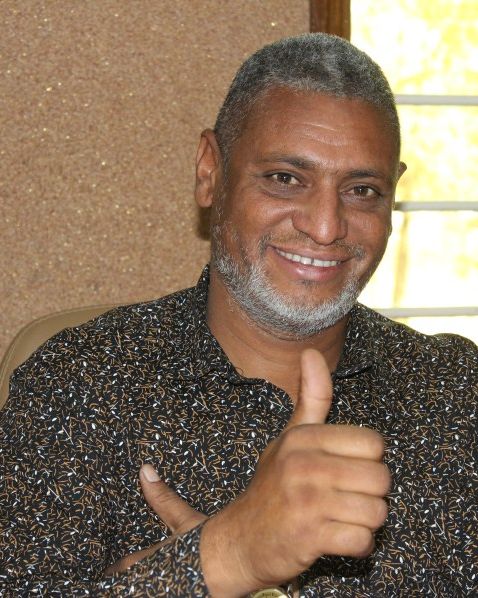
  • Portrait of Nuhu Mdeka

    Nuhu Mdeka

    Outgrower since 201912.61 t/ha

    He grew 8 tonnes a hectare in his very first season, far beyond what rain-fed farming had given him. Today he farms 15 plots, owns a rice mill and a storage godown in Kapunga, and holds the scheme's highest yield, 12.61 tonnes a hectare.

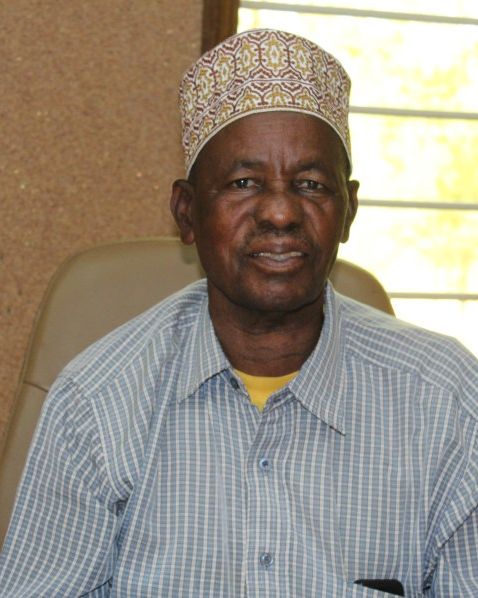
  • Portrait of Stumai Tandila

    Stumai Tandila

    Outgrower since 20083.3 → 8 t/ha

    On her best plot she reached 10 tonnes a hectare, the highest of any woman farmer in the project. She built a house in Chimala, is building a second in Mapogoro and sends her children to private school. With KRPL's support she secured a USD 12,000 loan from CRDB Bank.

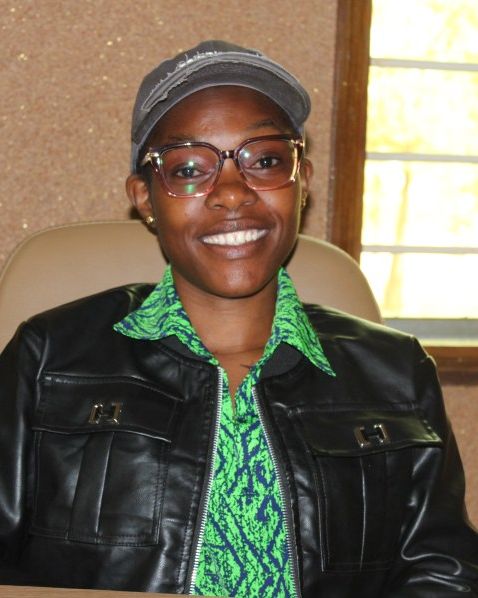
  • Portrait of Simple Adam

    Simple Adam

    Outgrower since 2019USD 160 → 16,000 a year

    In her old government job she earned about USD 160 a year. Farming two plots with two workers, she now averages 8–9 tonnes a hectare and earns around USD 16,000 a year. She has built a new home, opened a shop and enrolled her children in private school.

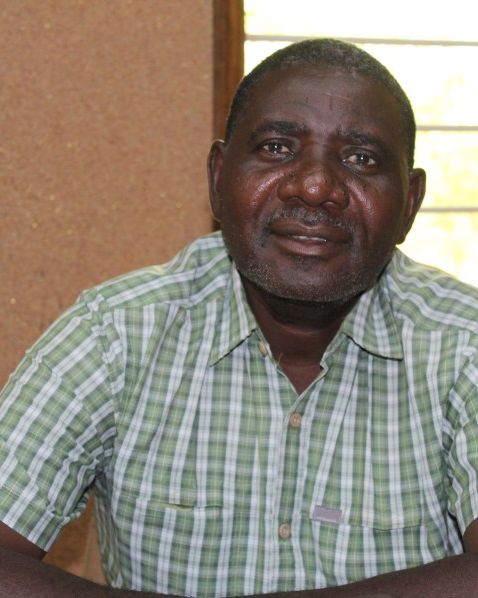
  • Portrait of Gervas Mwinuka

    Gervas Mwinuka

    Outgrower since 20073 → 10 t/ha

    He started with one plot “with cautious optimism” and has since doubled his area. What matters most to him is that he could send his son to India for higher education. A USD 20,000 loan from TADB bought his own tractor. Next on his list is a combine harvester.

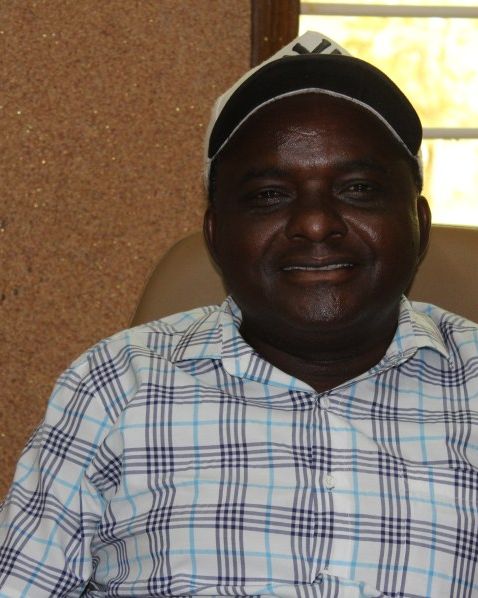
  • Portrait of Joseph Seleli

    Joseph Seleli

    Outgrower since 20092 → 11 t/ha

    He now farms five plots, and his earnings have risen by nearly 60 per cent. He has built a family house, bought more land and opened a small shop in Kapunga, helped by a USD 12,000 loan from CRDB Bank.

  • Portrait of Nuhu Sabai Nimrad

    Nuhu Sabai Nimrad

    Outgrower since 20172 → 10 plots

    He owns 30 acres near home but prefers to farm at Kapunga, where reliable water, machinery and support earn him far more. He employs eight workers, runs his own rice mill and godown, and borrowed USD 200,000 from NMB Bank for vehicles and equipment.

  • Portrait of Suleiman Kapalamba

    Suleiman Kapalamba

    Outgrower since 20181 → 4 plots

    His yields rose 25 per cent between 2018 and 2025, and his son now farms with him. He has bought his first car and built a family home. His NMB Bank credit has grown from USD 7,000 to USD 20,000 as the bank's trust in him grew.

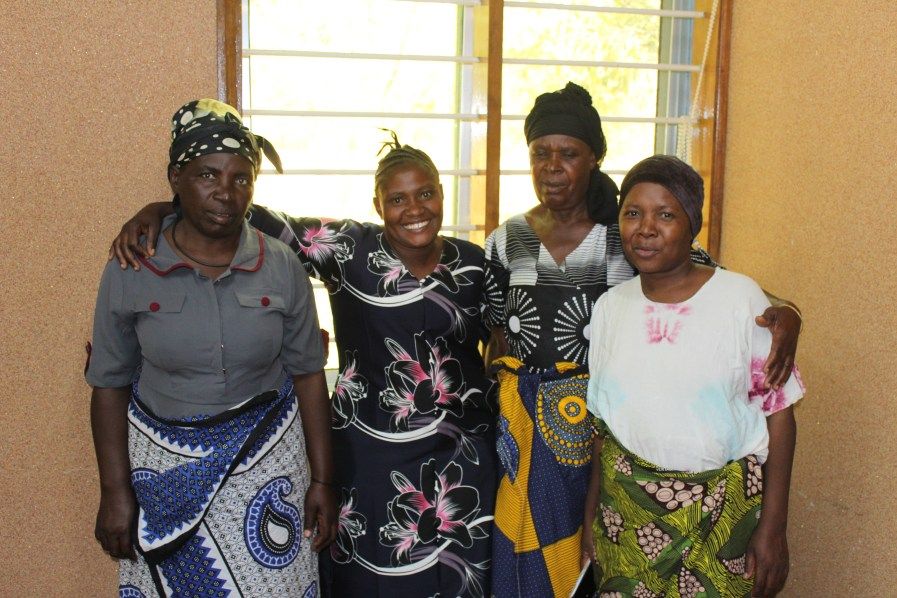
  • A group of women farmers standing together and smiling

    Twelve women, one plot at a time

    Joined together in 20196 → 7.5 t/ha

    When they joined, the group were barely earning enough to meet their families' daily needs. With land, improved seed, training and irrigation, their yields climbed, and for the first time they could send their children to private schools. Now they are asking for another plot.

Beyond the farm

A doctor and a teacher beside the harvest

Before 2006, Kapunga's hamlets had no proper roads, no electricity and little clean water. The farm's prosperity was meant to stay in the village.

  • The hospital

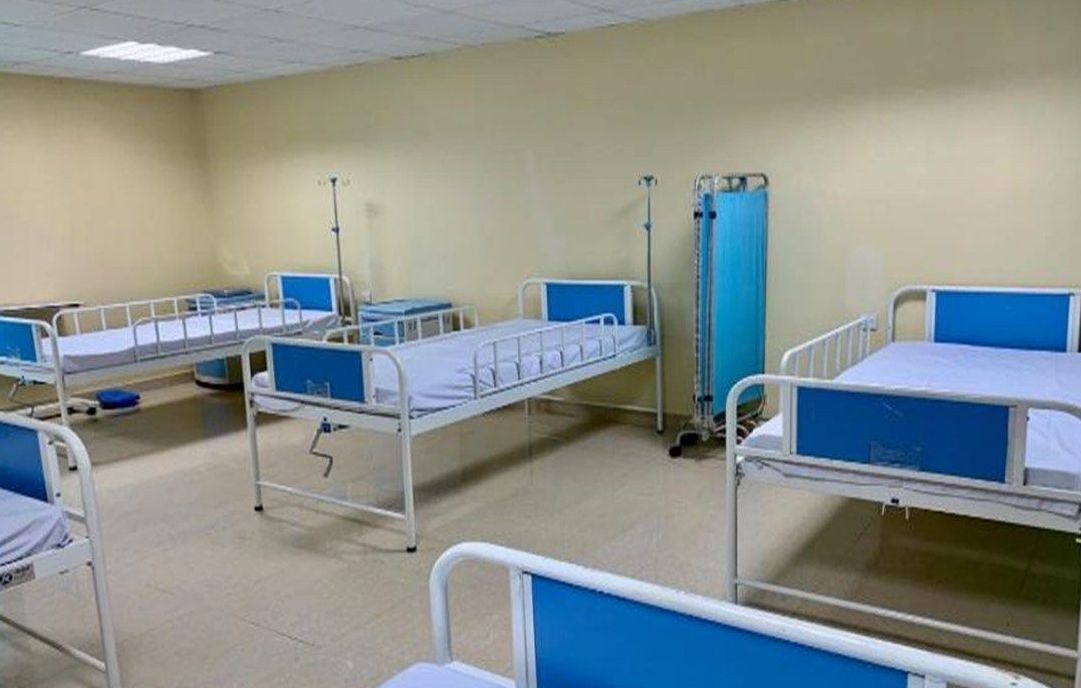
    Built in 2020 on a 7.5-acre site, it serves around 18,000 people across seven hamlets and handles about 56 deliveries a month. Before it existed, families travelled 26 kilometres to Chimala even for childbirth. Its staff also teach prevention and hygiene, and preventable illness has fallen. (Mussa Charles Kihwelo, medical officer)

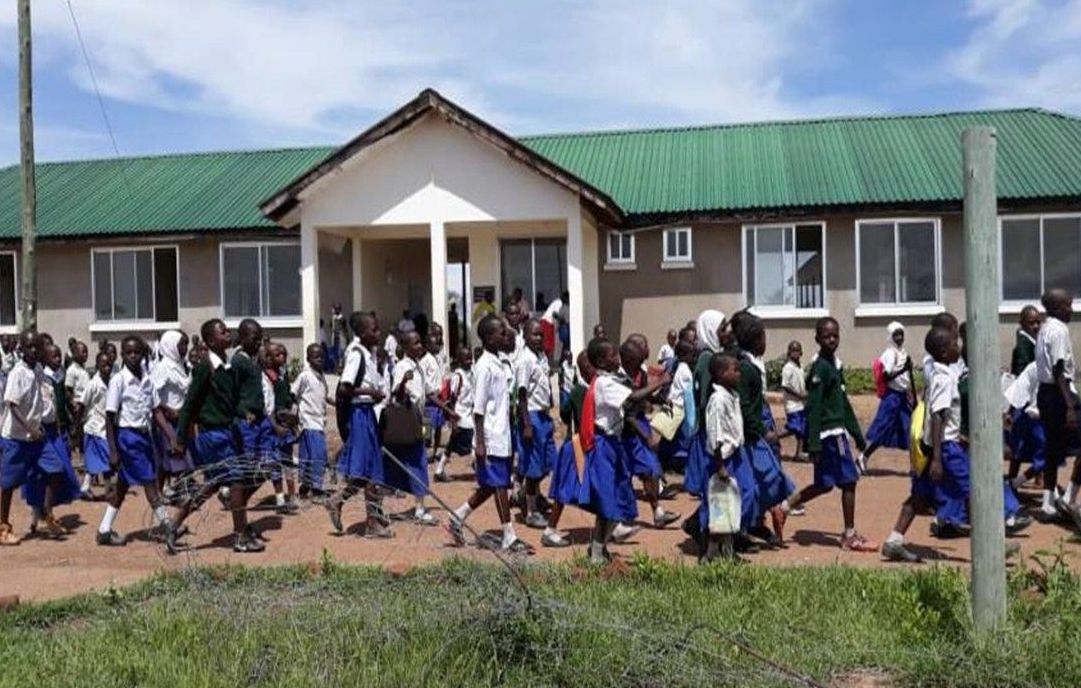
  • The school

    Built on seven acres, it teaches 406 pupils from pre-primary to Standard 7. Children who used to walk five kilometres now walk at most three, and many now help their parents learn. (Edgar Gabriel Mbepera, headmaster since 2018)

  • Roads, water and safety

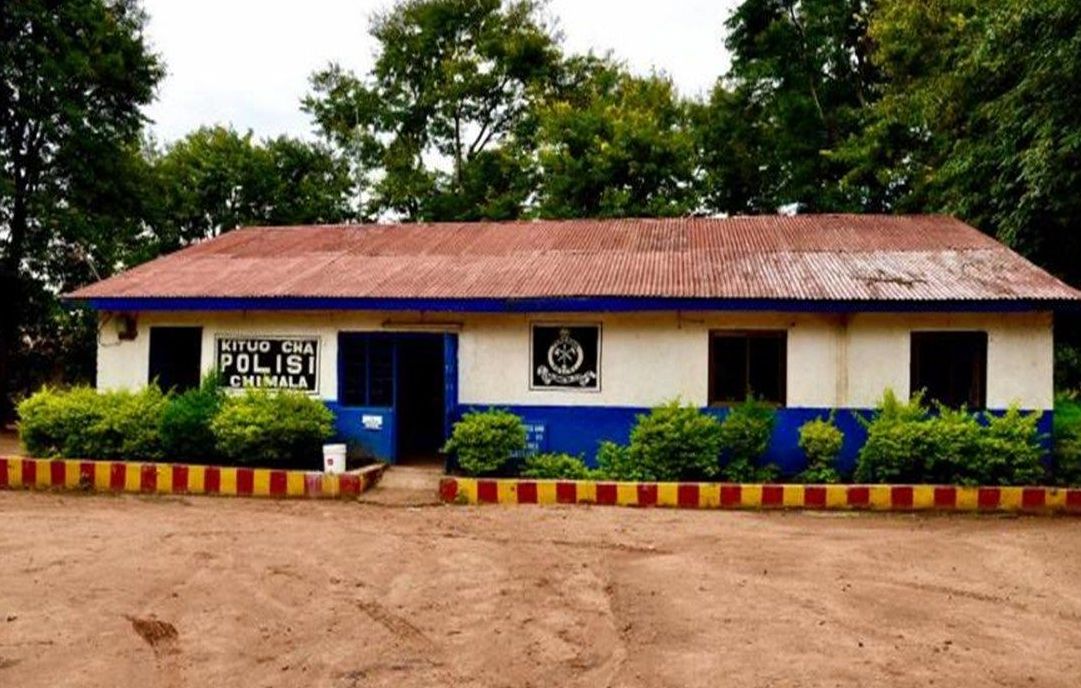
    Roads built for the project's logistics changed how villagers move. A borewell brought safe drinking water. The Chimala police station, which serves 9,000–10,000 people across four wards of Mbarali district, was repaired with new doors, windows, toilets and paint. (Dickson Luvanda, station chief)

  • A village of entrepreneurs

    Farmers have opened shops, restaurants, motels, rice mills and storage godowns, and many families can now afford private schooling.

Finance that fits the season

When the banks came to the village

An assured buyer and a predictable crop calendar made smallholders bankable.

CRDB Bank, since 2014

Loans for more than 3,000 farmers, on a one-year structure repaid after harvest. High repayment rates have made CRDB first in Mbarali district and fourth in Tanzania for loan collection. (Hamis S. Mbinga, bank manager)

NMB Bank, since July 2014

Services for more than 1,200 farmers, with loan packages from USD 2,000, and crop insurance against drought, floods and disease, developed with leading insurers. (Emmanuel Olotui, assistant manager)

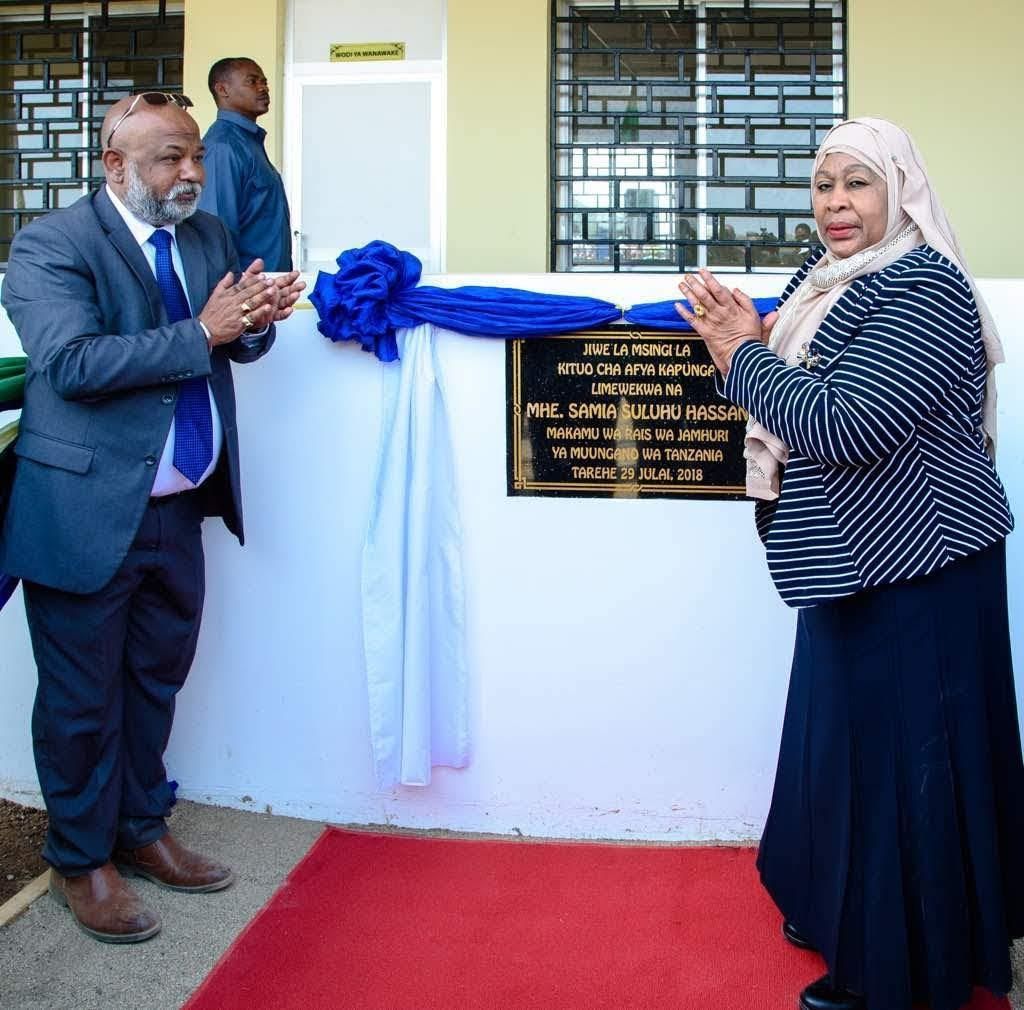
President Samia Suluhu Hassan unveils a plaque, accompanied by a man in a suit
President Samia Suluhu Hassan during her visit to Kapunga.
Recognition

“A model for progress”

“I am deeply impressed by the Kapunga Rice Project's dedication to sustainable agriculture and its strong contribution to the local economy.”

President Samia Suluhu Hassan, addressing villagers at Kapunga Farm and Rice Mill

Other visitors have included former EU Ambassador to Tanzania Roeland Van de Geer, King Imwiko Lubosi of Zambia, and officials from DFID and AgDevCo, who came to study how the outgrower scheme was built.

What it took

“Patience can cook a stone”

Returns on a large agricultural investment in Africa take seven to eight years to arrive. Kapunga needed a decade of steady, hands-on work with the community. Its success has since drawn other private players to Mbeya, now a major rice-producing region feeding Dar es Salaam.

KRPL now plans to repeat the model and branch into pulses and oilseeds. Its invitation to anyone thinking of investing in African farming is simple: come to Kapunga and see. Seeing is believing.

“Our future is to make KRPL a beacon for Africa's agricultural renaissance.”

Mahesh Patel, Chairman, ETG and Empowering Farmers Foundation